


If your skin always seems to swing between dry, irritated, and underwhelmed by modern moisturisers, this is where a richer, simpler formula starts to make sense.
Tallow and honey balm benefits come down to two big strengths: it helps support the skin barrier and it delivers rich, lasting moisture without relying on long lists of synthetic ingredients.
Quick answer: the main benefits of tallow and honey balm are richer moisture, dry-skin comfort, and a simpler low-tox skincare routine. It is not about adding more steps — it is about using a concentrated balm that helps skin feel softer and more supported. See the full Tallow and Honey Balms collection if you want a practical starting point.
Looking for the balm itself? The Tallow and Honey Balm product page is the primary product page for Tallow and Honey Balm in Australia; this article is here to help you understand, compare, and use it properly.
For people who want skincare that feels more nourishing and less complicated, that is a pretty strong combo.
What is tallow and honey balm?
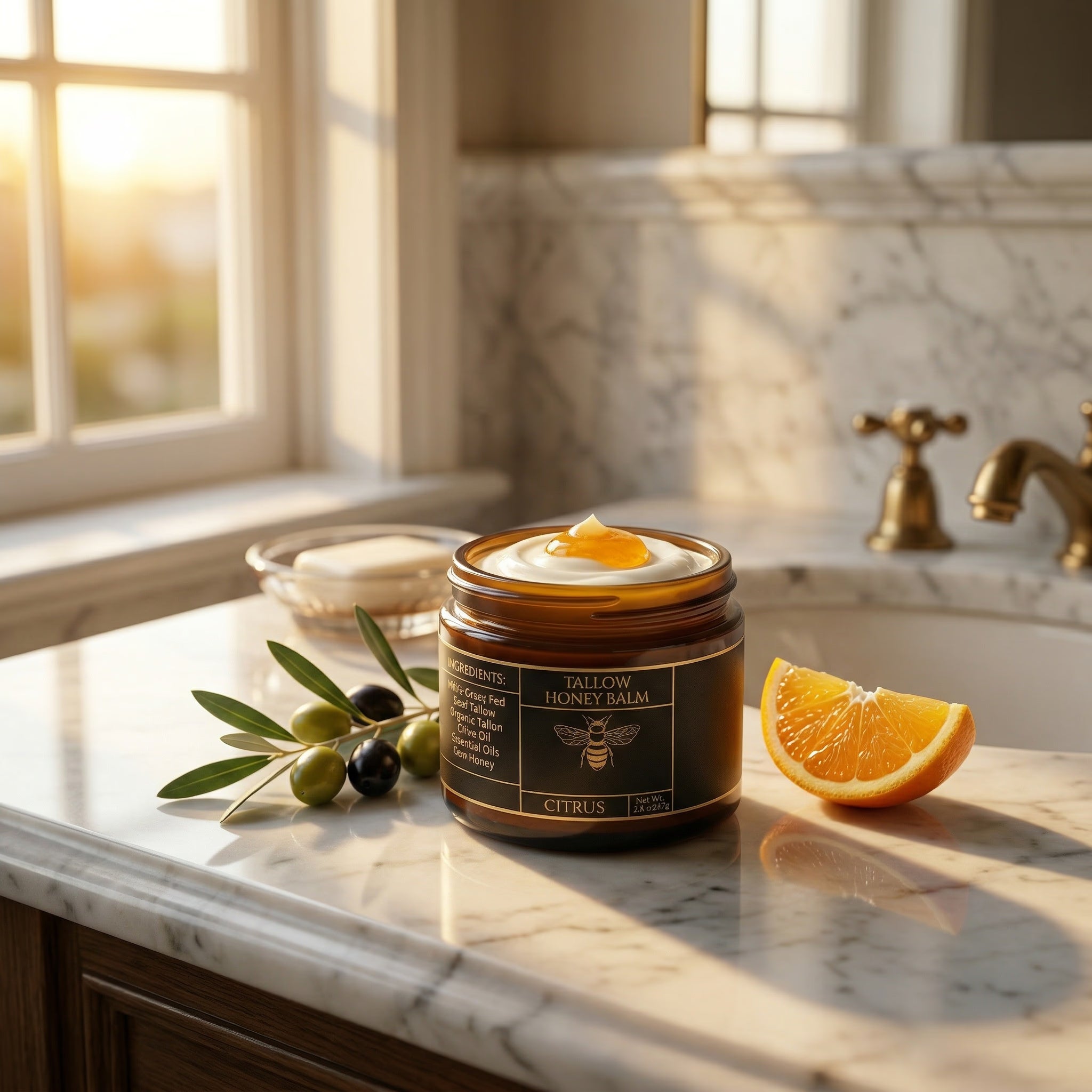
Tallow and honey balm is a rich, waterless skincare balm made with ingredients chosen to soften, protect, and support dry or sensitive skin. In a well-made formula, grass-fed tallow brings nourishing fats, while raw honey helps attract and hold moisture.
If you want the deeper breakdown, read What Is Tallow and Honey Balm?.
The biggest tallow and honey balm benefits
1. It helps support the skin barrier
When skin feels tight, flaky, or over-cleansed, it often needs more than a light lotion. A tallow-based balm helps reinforce the feeling of comfort by coating the skin with richer, protective lipids.
2. It delivers longer-lasting moisture
Because it is a balm rather than a thin cream, moisture tends to last longer. This makes it especially appealing for dry climates, cooler weather, and skin that drinks up standard moisturiser too fast.
3. It suits simpler, low-tox routines
One reason people gravitate toward tallow and honey balm is that it can replace multiple steps. Instead of layering product after product, a single rich balm can cover dry patches, overnight moisture, and daily barrier support.
4. It feels especially good on dry, stressed skin
Skin that feels rough, weather-beaten, or constantly dehydrated often responds well to richer textures. This is where tallow balm tends to shine compared with lighter formulas.
5. It can be more comfortable than heavily fragranced skincare
For people who are tired of strongly scented, over-formulated products, a simple balm can feel like a relief. The appeal is not hype. It is comfort.
Why honey is such a common skincare ingredient
Honey has a long history in skin applications and continues to be discussed in dermatology literature for its antibacterial, anti-inflammatory, and healing-related properties. In a balm, that makes it a logical companion to richer fats and waxes designed for dry or stressed skin.
Who benefits most from tallow and honey balm?
- dry skin
- sensitive or reactive skin
- mature skin
- skin exposed to wind, sun, or dry air
- people who prefer rich balms over light gels
Why rich textures matter
For very dry skin, dermatology guidance generally favours cream and ointment textures over lighter lotions, which helps explain why balm-based skincare often feels more effective for people dealing with tightness or flaking.
What ingredients make a good tallow and honey balm?
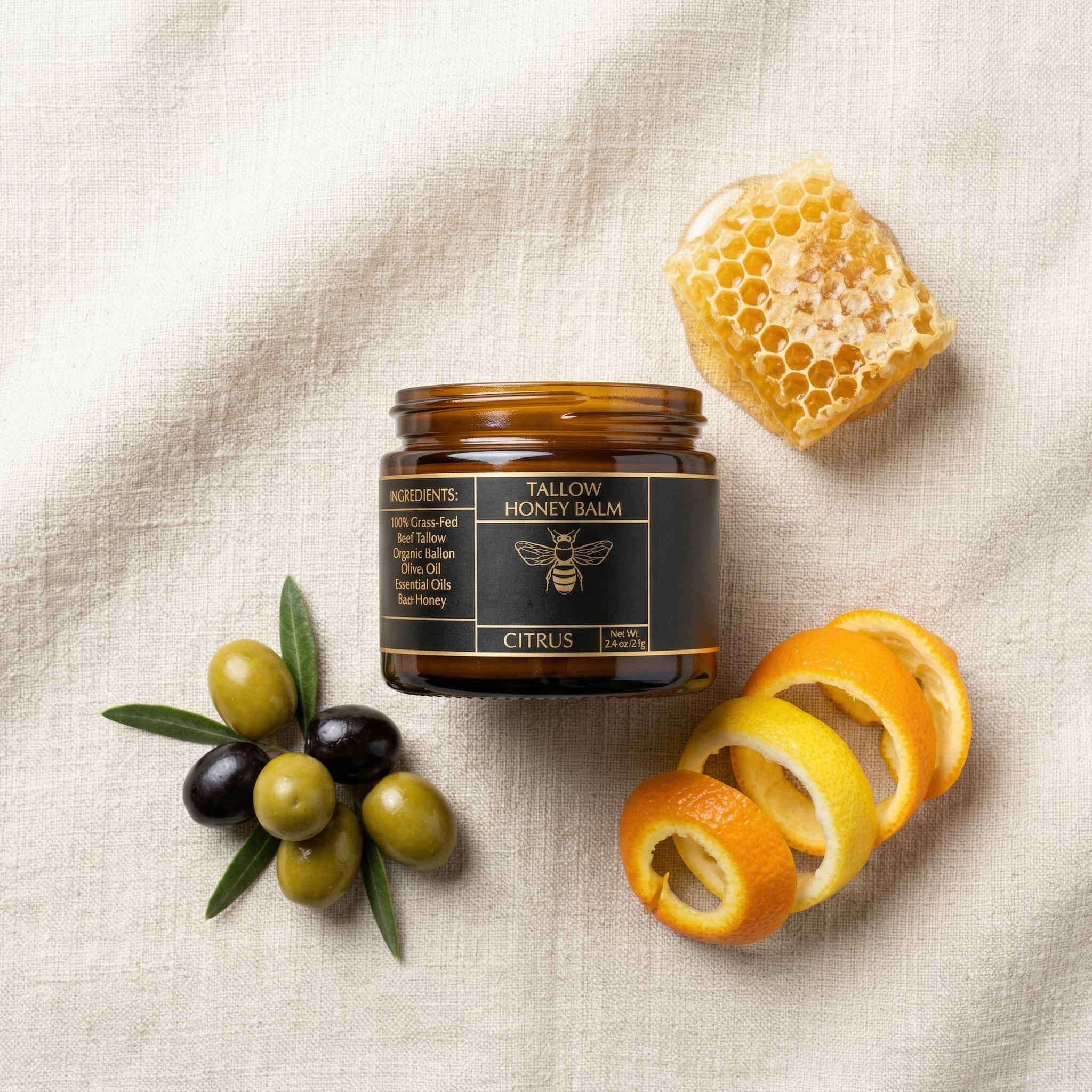
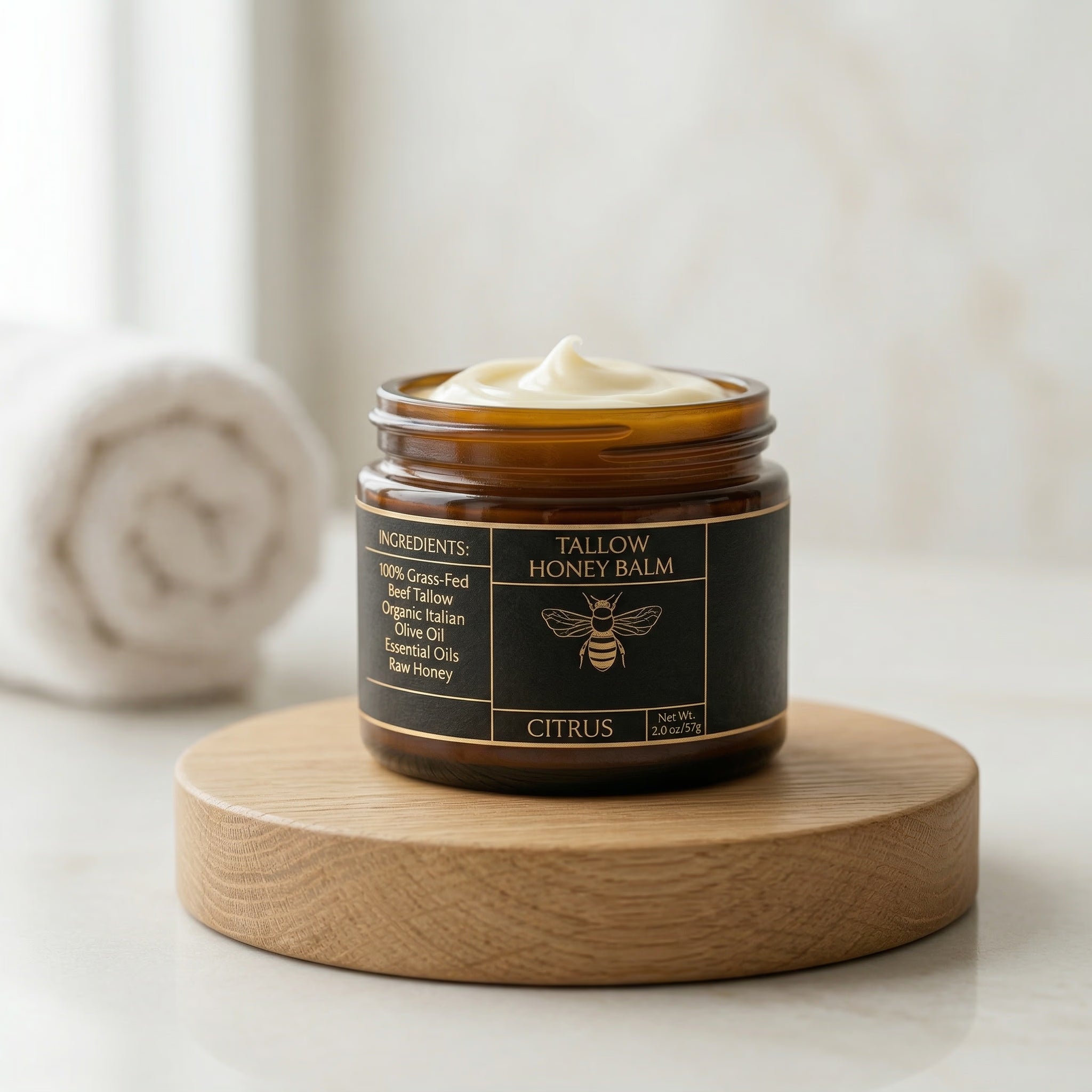
A quality balm is not just about putting tallow in a jar and calling it ancestral. Look for well-rendered grass-fed tallow, raw honey, and a short supporting ingredient list that improves feel and stability without loading the product with unnecessary filler.
How this fits into a skincare routine
You can use a tallow and honey balm as a daily moisturiser, a night balm, or a targeted dry-skin balm. If you want a practical walkthrough, read How to Use Tallow and Honey Balm.
Looking for a simple place to start? Browse our Tallow and Honey Balms collection for low-tox balm options made for dry, sensitive, and barrier-stressed skin.
Final thoughts
The best tallow and honey balm benefits are not flashy. They are the kind you notice quietly over time: softer skin, less tightness, better comfort, and a routine that feels easier to stick with.
If you are looking for a richer, simpler moisturiser, explore our Tallow and Honey Balm. And if you are still deciding whether tallow is right for your skin, start with Is Beef Tallow Good for Skin?.
FAQ
What is the biggest benefit of tallow and honey balm?
The biggest benefit is rich, lasting moisture support for skin that feels dry, tight, or uncomfortable.
Is tallow and honey balm only for the face?
No. It can also be used on lips, hands, elbows, knees, cuticles, and dry patches.
How often should you use it?
Many people use it daily or as needed. Start with a thin layer and adjust based on how your skin feels.
More tallow skincare guides
- What Is Tallow and Honey Balm?
- How to Use Tallow and Honey Balm
- Is Beef Tallow Good for Skin?
- Beef Tallow Moisturiser Guide
- Shop Tallow and Honey Balms
Sources
- American Academy of Dermatology — How to pick the right moisturizer for your skin
- Honey therapies for dermatological disorders: more than just a sweet elixir (2024 review)
Helpful tallow skincare guides: If you are comparing options, start with our guide to tallow balm in Australia, learn how to use tallow and honey balm, or compare tallow balm vs regular moisturiser.
Helpful tallow and honey balm guides
If you are comparing tallow and honey balm options, these pages can help you choose the right product and routine:
Most practical benefits
The practical benefits are texture, simplicity and comfort. The balm gives dry-feeling skin a richer layer, keeps the routine short and works across face, lips, hands and rough patches. It is not magic in a jar, but it is a very useful jar.
To use it correctly, read How to Use Tallow and Honey Balm.
Benefit 1: richer dry-skin comfort
The most obvious benefit is feel. The balm gives skin a richer layer than many light lotions, especially on hands, lips, elbows and rough patches.
Benefit 2: a shorter routine
Many people use the balm because they want fewer products. One jar can cover face, body and targeted dry spots when used carefully.
Benefit 3: easy ingredient understanding
Grass-fed tallow, raw honey and beeswax are easy to understand. That does not mean every natural ingredient suits every person, but it does make the formula easier to evaluate.
How to get the best result
Use less than you think, apply to slightly damp skin and focus on dry areas first. For the exact product, see Tallow and Honey Balm.
Who benefits most?
People with dry-feeling skin, rough hands, chapped-feeling lips, dry elbows or simple low-tox routines are usually the best fit. People who want a weightless gel texture may prefer a different product type.
How quickly should it feel different?
The texture benefit is immediate. Skin should feel softer and more comfortable after application. Longer-term routine benefits depend on consistency, amount used and what else is in your skincare routine.
What makes the honey part useful?
Honey supports the balm’s comforting, soft feel and fits the simple ingredient story. It is not there to make wild claims; it is there because the finished balm feels better with the right supporting ingredients.
To try it, visit Tallow and Honey Balm.
About Tallow and Honey
Tallow and Honey creates low-tox skincare with grass-fed tallow, raw honey, and simple ingredients chosen for dry, sensitive, and barrier-stressed skin. Explore our Tallow and Honey Balm or learn more about the brand.